Postpartum Hair Loss: Why It Happens and When It's More Than Normal Shedding
Short answer: Noticeable hair shedding a few months after delivery is common and usually temporary, caused by a normal hormonal shift rather than anything you did wrong. It is worth a closer look only when the pattern looks different from typical postpartum shedding.
डिलीवरी के कुछ महीनों बाद बालों का झड़ना आम बात है और यह हार्मोन में आए सामान्य बदलाव की वजह से होता है, आमतौर पर अस्थायी होता है। कुछ खास संकेत दिखें तभी डॉक्टर से मिलना ज़रूरी है।
Why It Happens
During pregnancy, elevated estrogen levels prolong the hair's growth phase, so many women notice thicker, fuller hair than usual while pregnant. After delivery, estrogen levels drop, and the extra hair that was being held in the growth phase moves into a shedding phase together, which is what produces the noticeable increase in hair fall. This pattern is often called telogen effluvium and is a temporary, hormonally driven process.
How Common Is This, Really
Many new mothers notice some degree of increased shedding in the months following delivery, making it one of the more common postpartum changes women experience, even though it often isn't discussed as openly as other aspects of postpartum recovery. Knowing that this is a widely shared experience, rather than something unusual happening only to you, can itself be reassuring while you wait for it to settle.
The Usual Timeline
Shedding often becomes noticeable a few months after delivery and, for many women, gradually improves over the following months as hormone levels stabilise and the hair cycle normalises, though the exact timeline varies from person to person. It can also feel more dramatic than it actually is, since a visible change in how much hair collects in a brush or on a pillow tends to stand out even when the overall amount lost is fairly modest in the bigger picture.
What Helps in the Meantime
Gentle hair care, avoiding tight hairstyles that add extra tension, and a balanced diet all support overall hair health during this period. If iron or thyroid levels haven't been checked as part of your postpartum care and fatigue or other symptoms are present, it's worth mentioning at a visit.
Nutrition and Postpartum Recovery
The postpartum period places real nutritional demands on the body, on top of the physical recovery from delivery and, for many women, the demands of breastfeeding. A generally balanced diet with adequate protein and iron-rich foods supports overall recovery, of which hair health is only one part, so it's worth thinking about this as part of your broader postpartum nutrition rather than a separate hair-specific fix.
When It's Worth a Closer Look
Hair loss that appears in distinct patches rather than a general, diffuse thinning, shedding that continues well beyond a year without improvement, or hair loss accompanied by other symptoms such as unusual fatigue, which could point toward a thyroid or iron-related cause rather than routine postpartum shedding, are all reasons to get it evaluated rather than simply waiting.
It's Also an Emotional Adjustment
Alongside the physical recovery of the postpartum period, noticeable hair shedding can feel discouraging at a time when a lot is already changing, and it's completely reasonable to find it upsetting even while knowing it's usually temporary. Talking about it openly at a postnatal visit, rather than feeling you need to just live with it quietly, is a normal and welcome part of the conversation, alongside the physical checks.
How Genesis Neurogen Approaches This
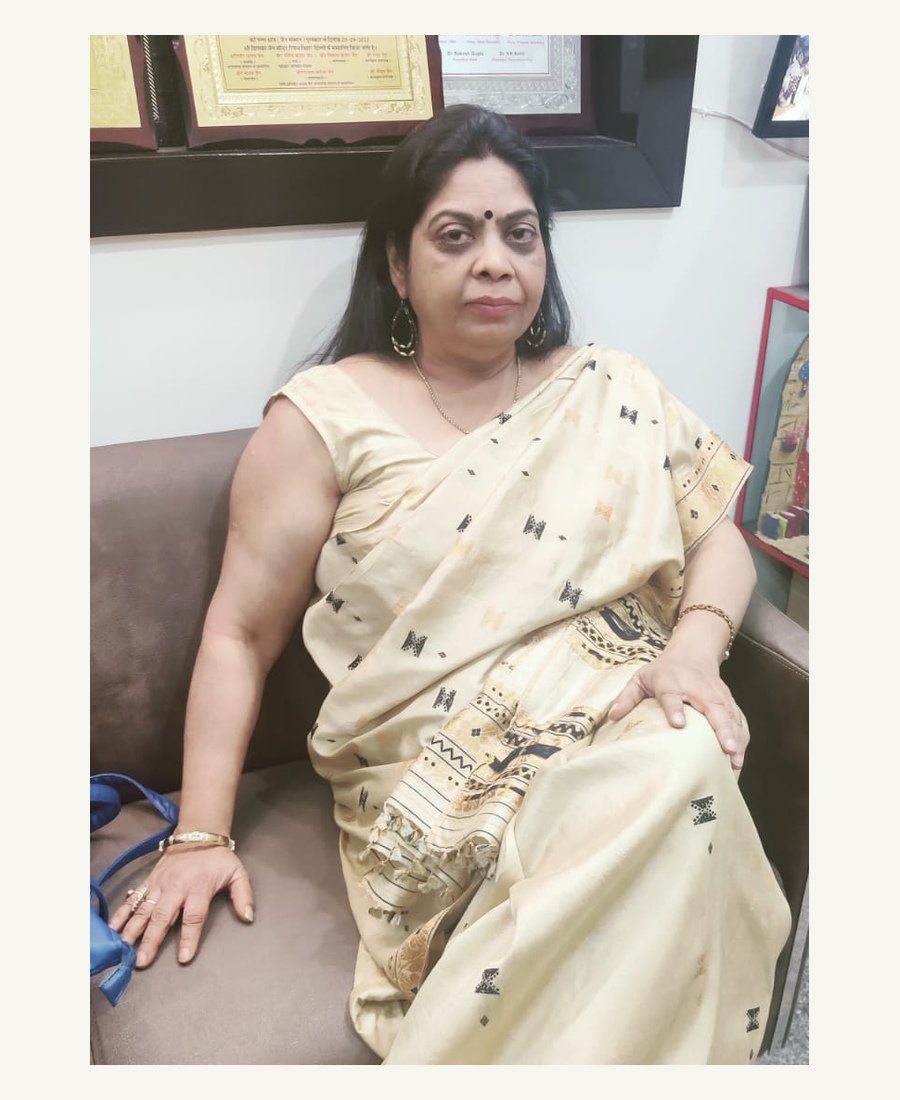
Dr. Radha Jain reviews postpartum recovery as a whole, including symptoms like hair changes, fatigue, or mood, as part of routine postnatal visits at both Rishabh Vihar and Krishna Nagar, rather than treating each symptom in isolation.
Frequently Asked Questions
Will my hair go back to how it was before pregnancy? For most women, hair gradually returns to its usual pattern and thickness as hormones stabilise, though the exact timing varies from person to person.
Is postpartum hair loss linked to breastfeeding? It's mainly related to the drop in pregnancy hormone levels after delivery rather than breastfeeding itself.
Should I take supplements for postpartum hair loss? Discuss this with your doctor rather than self-prescribing, since the right approach depends on whether an underlying deficiency is actually present in your case.
When should I get it checked instead of just waiting it out? If the shedding is patchy rather than diffuse, very heavy, continuing well beyond a year, or comes with other symptoms like unusual tiredness, it's worth a review rather than assuming it will resolve on its own.
Concerned about hair loss or other postpartum changes? Talk to Dr. Radha Jain (MBBS, DGO) at your next postnatal visit at Rishabh Vihar or Krishna Nagar.