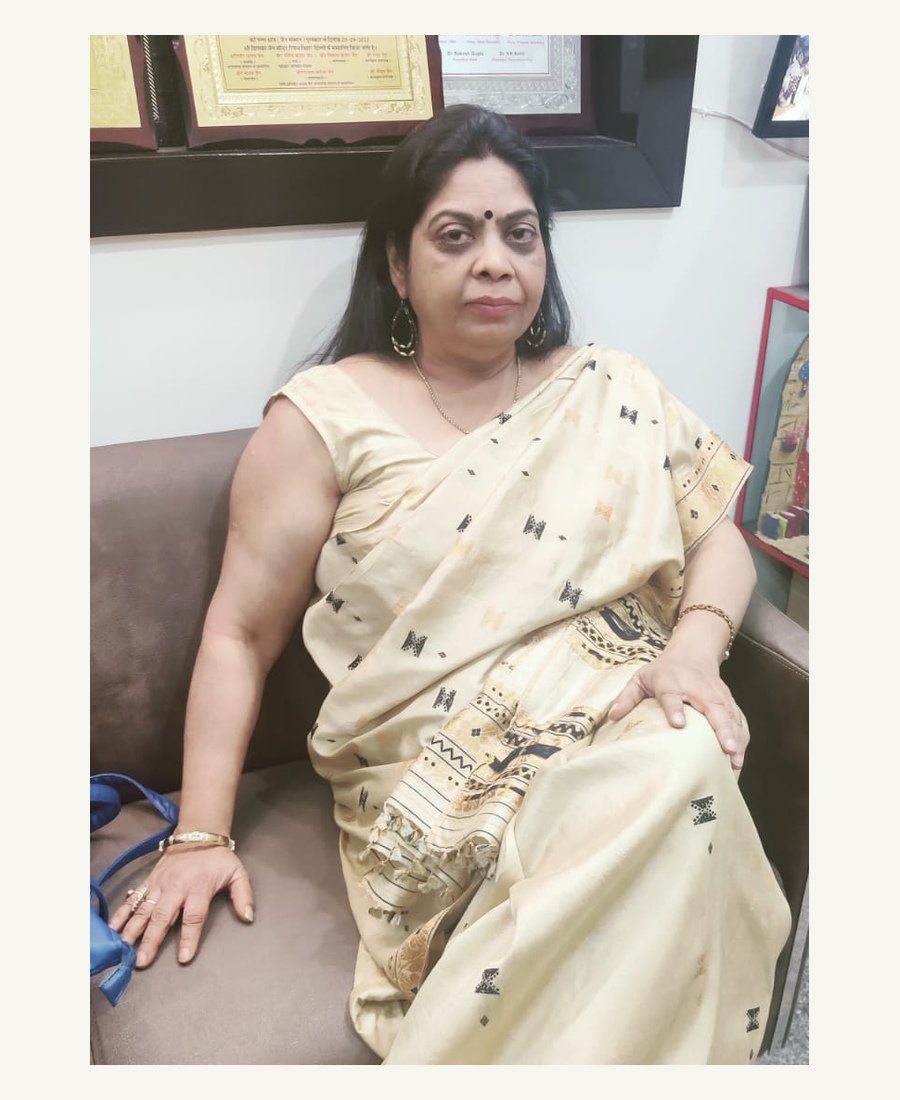

Menstrual Disorders & PCOS/PCOD Treatment
Short answer: PCOS/PCOD and menstrual disorders (irregular, heavy or painful periods) are among the most common reasons women and teenage girls visit a gynecologist, and most cases are managed effectively once properly diagnosed. Dr. Radha Jain (MBBS, DGO, Delhi Medical Council Reg. No. 19513) evaluates period-related and hormonal concerns for both teenagers and adult women at Genesis Neurogen's Rishabh Vihar and Krishna Nagar clinics in East Delhi, and most consultations start with a straightforward history and examination rather than an immediate battery of tests.
PCOS / PCOD & Women's Hormonal Health / PCOS / PCOD एवं महिलाओं का हार्मोनल स्वास्थ्य
PCOS/PCOD (Polycystic Ovary Syndrome / Polycystic Ovarian Disease) is a common hormonal condition affecting how the ovaries function, not a rare or frightening diagnosis. It shows up differently from woman to woman: some notice irregular periods, others notice acne, weight changes or excess hair growth (hirsutism), and some are only picked up on a scan done for another reason entirely. Because the presentation varies so much, matching symptoms to an online checklist is not a substitute for an actual consultation, a focused history and, where needed, basic blood tests or an ultrasound.
For Teenagers With Irregular or Painful Periods
Irregular cycles are genuinely common in the first one to two years after a girl's first period, while her hormonal cycle is still maturing, so an occasional missed or delayed period at this age isn't automatically a red flag. That said, it's worth booking a consultation rather than waiting it out when periods are consistently very heavy, when period pain is severe enough to keep a teenager home from school more than occasionally, when cycles are still irregular several years after periods started, or when irregular periods appear alongside other signs such as excess facial or body hair or persistent acne. Consultations for teenagers are handled sensitively, usually with a parent present, and are far more routine than most families expect. For more detail written specifically for this age group, see teenage daughter's irregular periods, is it normal?
For Adult Women With Heavy, Painful or Irregular Periods
Period patterns can genuinely shift for ordinary reasons: stress, a change in weight, travel, or simply a different life stage, and some month-to-month variation is completely normal. It becomes worth a consultation when bleeding is heavy enough to disrupt daily routine (very frequent pad or tampon changes, large clots), when pain no longer responds to the usual measures you'd try at home, when cycles become significantly more irregular than your own baseline, or when there is bleeding between periods. None of these symptoms confirm PCOS/PCOD on their own; they're simply reasons to get a proper opinion rather than continuing to guess. A closer look at this is covered in our guide on menstrual problems as an adult woman and our broader guide to PCOS/PCOD and women's hormonal health.
How PCOS/PCOD Connects to Fertility and Long-Term Health
Left unmanaged, PCOS/PCOD can make ovulation less predictable, which is one reason it sometimes comes up during a fertility evaluation. It's also worth discussing with your doctor if you're trying to conceive and finding it takes longer than expected; our page on infertility and fertility care explains what that consultation typically involves. Bringing up menstrual symptoms early, rather than after months of waiting to see, generally makes this easier to manage rather than harder.
What a First Consultation Typically Involves
In general terms: a detailed history of your cycle and symptoms, a physical examination as needed, and, depending on what comes up, blood tests or a pelvic ultrasound to understand what's driving the symptoms. None of this is decided in advance of seeing you. The aim of the first visit is a proper evaluation and a plan you understand, not guesswork from a symptom list, and not every consultation ends in tests being ordered at all.
Where to Come In
Dr. Radha Jain sees patients for menstrual and hormonal concerns at both Genesis Neurogen clinics: Rishabh Vihar (6:30 PM to 8:30 PM) and Krishna Nagar (12:30 PM to 3:00 PM). For the full range of women's health services offered alongside this, see our Gynecology & Obstetrics Hub.
Frequently Asked Questions
Is PCOS/PCOD curable? It's managed rather than "cured" in the traditional sense. A personalised plan, sometimes lifestyle changes, sometimes medical management, or a combination, helps control symptoms over time; specifics are discussed at consultation based on your individual case.
Can a teenager be taken to a gynecologist for period concerns? Yes. This is routine, and consultations for teenagers are handled sensitively and respectfully, usually with a parent present throughout.
Do I need tests before the first visit? No. The doctor will advise if and which tests are needed based on your history and examination; it's not something to arrange in advance.
Are irregular periods always PCOS/PCOD? No. Irregular periods have several possible causes, and PCOS/PCOD is one of them, which is why a proper evaluation matters more than self-diagnosis from symptoms alone.
Book a consultation for period or hormonal concerns with Dr. Radha Jain (MBBS, DGO) at Rishabh Vihar or Krishna Nagar. Use the appointment form on this site or message us on WhatsApp.